


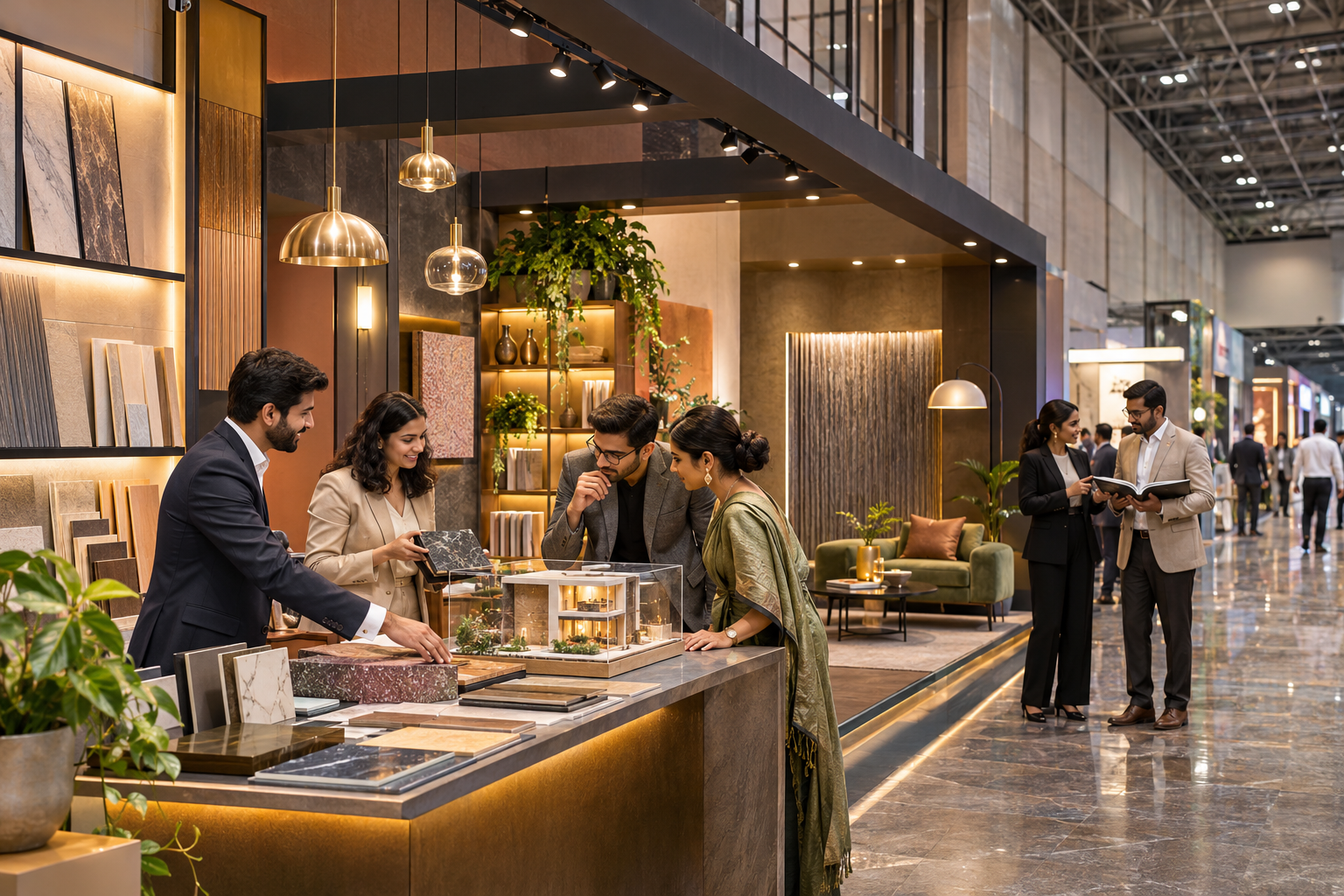
How Can Exhibitors Attract Architects and Interior Designers to Their Stalls?
An exhibition stall has only a few seconds to catch someone's attention, but turning that attention into a meaningful business conversation takes more than attractive displays. Architects and interior designers visit exhibitions looking for fresh ideas, reliable suppliers, innovative materials and solutions they can recommend to clients. At Interior Design exhibitions India, exhibitors need to create an experience that encourages these professionals to stop, explore and understand what makes their offerings worth considering.
Attracting the right visitors requires a combination of thoughtful stall design, product demonstrations, useful information and personal interaction. Here are some practical ways exhibitors can make their stalls more appealing to design professionals.
Attracting the right visitors requires a combination of thoughtful stall design, product demonstrations, useful information and personal interaction. Here are some practical ways exhibitors can make their stalls more appealing to design professionals.
1. Design a Stall That Reflects Real Applications
Architects and interior designers often want to see how a product will look and function in an actual project. Simply displaying products on shelves may not be enough.
Instead, create small, realistic settings that demonstrate how materials and products can be used. For example, a furniture manufacturer can display a complete living room setup, while a lighting brand can demonstrate how different lighting arrangements change the appearance of a space.
A well-planned stall should communicate the brand's design approach without overwhelming visitors with too many elements.
2. Display New Materials and Design Innovations
Design professionals regularly explore new materials, finishes, textures and technologies to bring fresh ideas to their projects. Exhibitors can use this interest to create stronger visitor engagement.
Consider showcasing:
Consider showcasing:
- Innovative surface finishes and decorative materials.
- Sustainable and environmentally conscious products.
- Smart lighting and home automation solutions.
- Space-saving furniture and modular designs.
- New hardware, fittings and architectural components.
At Design exhibitions, product differentiation matters. Highlight what makes a material or product useful, including its durability, maintenance requirements, installation process and design flexibility.
3. Offer Live Product Demonstrations
A product demonstration can communicate more than a printed brochure. Visitors can understand its quality, functionality and practical applications by seeing it in action.
For example, a lighting exhibitor can demonstrate different colour temperatures, brightness levels and lighting effects. A furniture brand can showcase adjustable mechanisms, storage features or modular configurations.
Keep demonstrations short and interactive. Allow visitors to touch materials, test product features and ask technical questions. This creates a more memorable experience and helps professionals assess whether the product suits their upcoming projects.
4. Make Your Stall a Space for Professional Conversations
Architects and interior designers are not just visitors; they can become valuable business partners, specifiers and long-term clients.
Train your exhibition team to understand the products thoroughly. Instead of immediately discussing prices or pushing sales, ask visitors about their work, project requirements and preferred materials.
A few useful questions include:
Train your exhibition team to understand the products thoroughly. Instead of immediately discussing prices or pushing sales, ask visitors about their work, project requirements and preferred materials.
A few useful questions include:
- What type of projects do you usually handle?
- Are you currently exploring any new materials or finishes?
- What specifications matter most when selecting products?
- Would you like technical details or samples for your projects?
These conversations help exhibitors understand visitor requirements and identify genuine business opportunities.
5. Provide Useful Samples and Technical Information
Design professionals often need more than a product photograph before recommending something to a client. They may require material samples, dimensions, technical specifications, installation guidelines and maintenance information.
Prepare compact product catalogues, digital brochures and QR codes that allow visitors to access detailed information quickly.
For a furniture exhibition in India, manufacturers can offer finish samples, upholstery swatches, material specifications and information about customisation options.
Make it easy for visitors to take relevant information back to their studios and share it with their project teams.
6. Promote Your Participation Before the Exhibition
Waiting for visitors to discover your stall on their own can limit your reach. Start building awareness before the event.
Share stall details, product previews and participation announcements through LinkedIn, Instagram, email campaigns and professional networks. You can also invite architects, interior design studios, consultants and existing business contacts personally.
Mention your stall location clearly and give visitors a reason to meet your team, such as exploring a new collection or discussing customised solutions.
7. Follow Up After the Exhibition
An exhibition interaction should not end when visitors leave the stall. Collect contact details with permission and maintain brief notes about their interests and project requirements.
Send personalised follow-up messages, requested catalogues, samples or quotations within a reasonable time. A relevant follow-up is more effective than sending the same promotional message to every visitor.
Send personalised follow-up messages, requested catalogues, samples or quotations within a reasonable time. A relevant follow-up is more effective than sending the same promotional message to every visitor.
How Do Industry Exhibitions Create Better Networking Opportunities?
Delhi provides an important meeting point for professionals across architecture, interiors, furniture, construction and building materials. Events such as Darc BUILD bring these connected industries into an exhibition environment where brands and professionals can explore products, exchange ideas and discover potential business collaborations.
For exhibitors, participation offers an opportunity to present their work to a relevant professional audience. The real value, however, comes from how effectively they communicate their products and build relationships.
A successful exhibition stall is not simply the one that attracts the biggest crowd. It is the one that encourages meaningful conversations, demonstrates genuine product value and gives architects and interior designers a reason to remember the brand after the event.